

Tips for Creating a Relaxing and Productive Home Workspace
Creating a home workspace that is both relaxing and productive can seem like a difficult balance to achieve. However, with a few thoughtful adjustments, you can design an environment that encourages focus while also allowing you to feel calm and comfortable. Whether you’re working remotely, studying, or pursuing a hobby, an effective workspace supports your goals and well-being. Here are some tips to help you create the perfect home workspace.
Choose the Right Location
The first step in setting up a home workspace is selecting a suitable spot. Ideally, this is a place where you feel comfortable and can minimise distractions.
– Quiet Corners: Look for a quiet corner or room away from household noise. This helps maintain concentration.
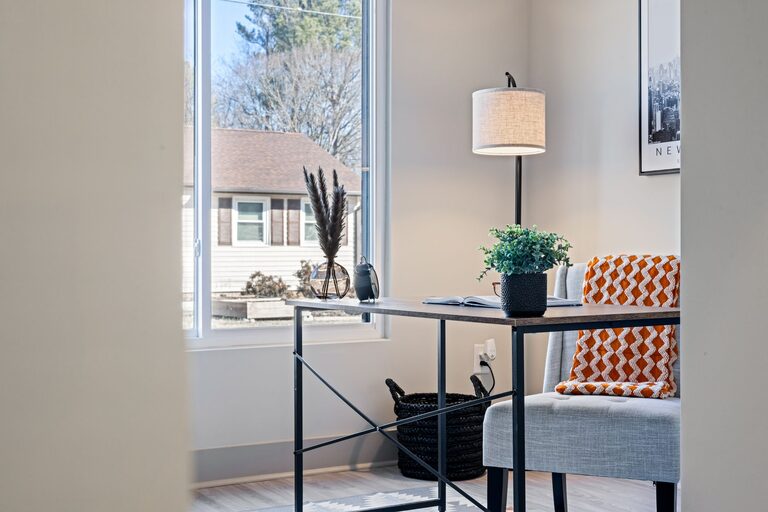
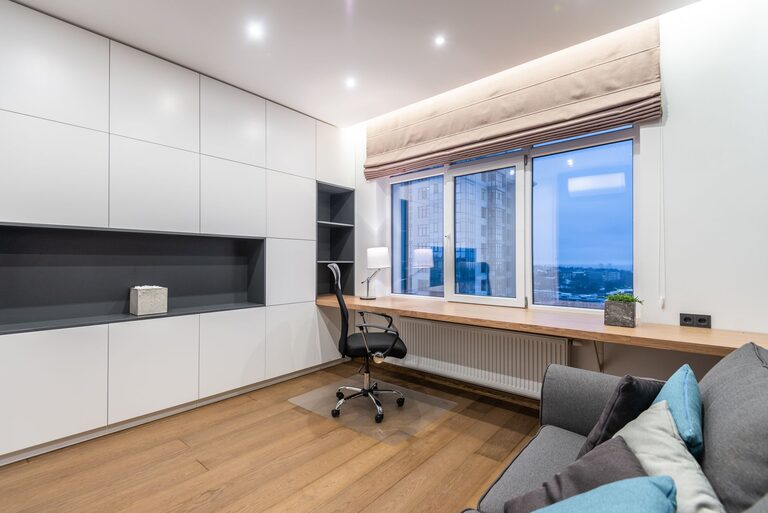
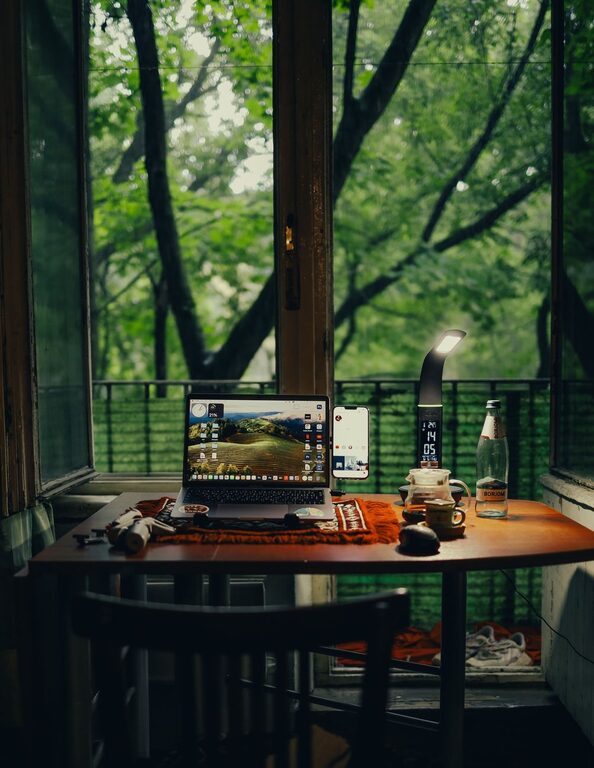
– Natural Light: Position your desk near a window if possible. Natural light can improve mood and productivity.
– Dedicated Space: Having a space dedicated solely to work helps your mind switch into “work mode” and reduces distractions.
Invest in Comfortable Furniture
Comfort is vital since you’ll be spending extended periods at your desk.
– Ergonomic Chair: Choose a chair that supports good posture to prevent discomfort and back pain.
– Desk Height: Your desk should allow your elbows to be at a 90-degree angle when typing.
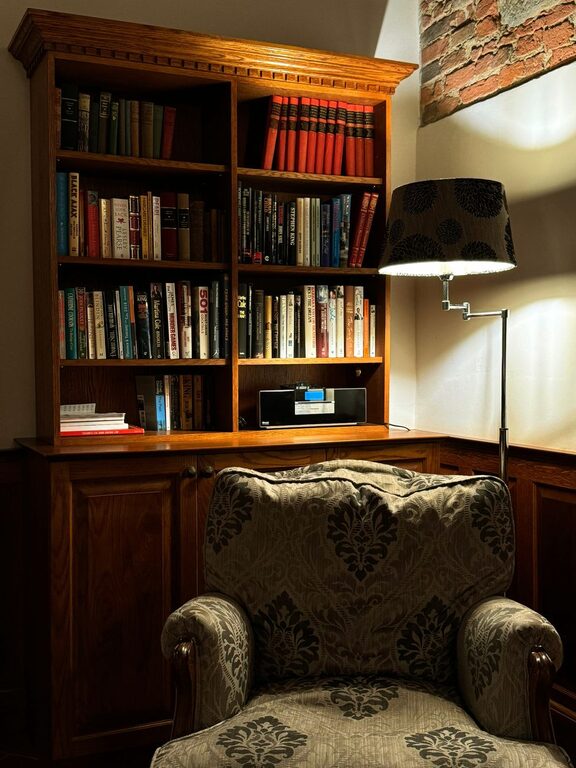
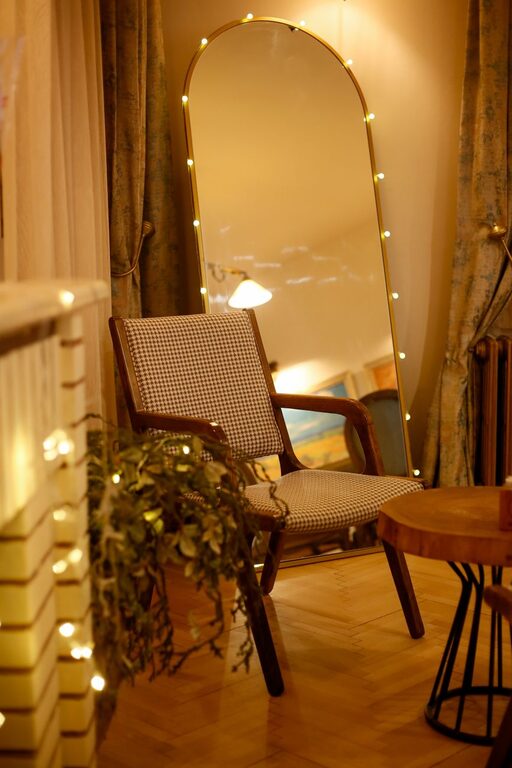
– Additional Seating: If space allows, include a small armchair or cushion for breaks and relaxation.
Declutter and Organise
A tidy workspace can lead to a clearer mind and better efficiency.
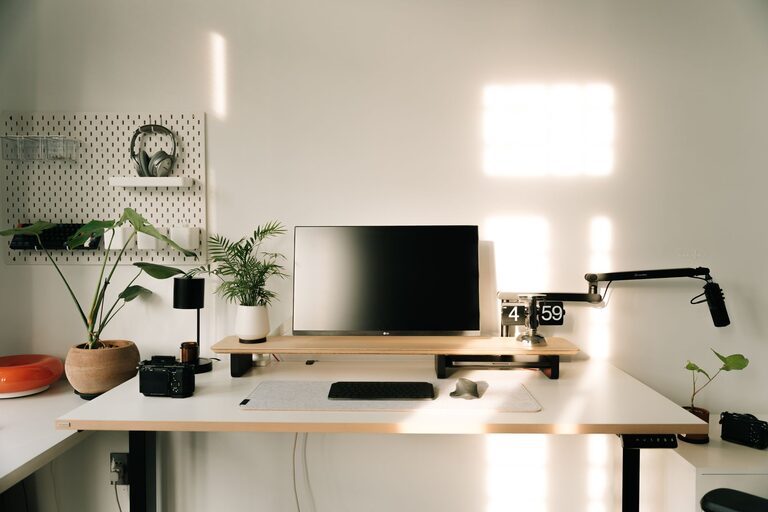
– Minimalist Approach: Keep only essential items on your desk. Less clutter reduces distractions.
– Storage Solutions: Use shelves, drawers, or organisers to keep materials neatly arranged and easy to access.
– Cable Management: Tidy up cables with clips or sleeves to avoid a tangled mess.
Use Calming Colours and Decor
The colours and décor you choose affect your mood and productivity.
– Soft Colours: Shades of blue, green, or neutrals are calming and encourage focus.
– Personal Touches: Include items like plants, photos, or artwork that inspire you without being overwhelming.
– Natural Elements: Plants not only add a touch of nature but can also improve air quality and promote relaxation.
Control Lighting and Noise
Proper lighting and minimal noise create a pleasant working environment.
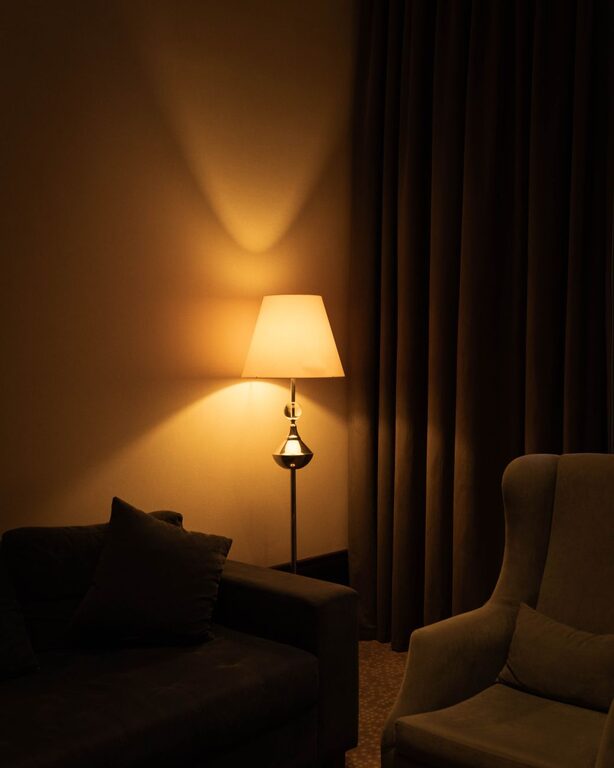
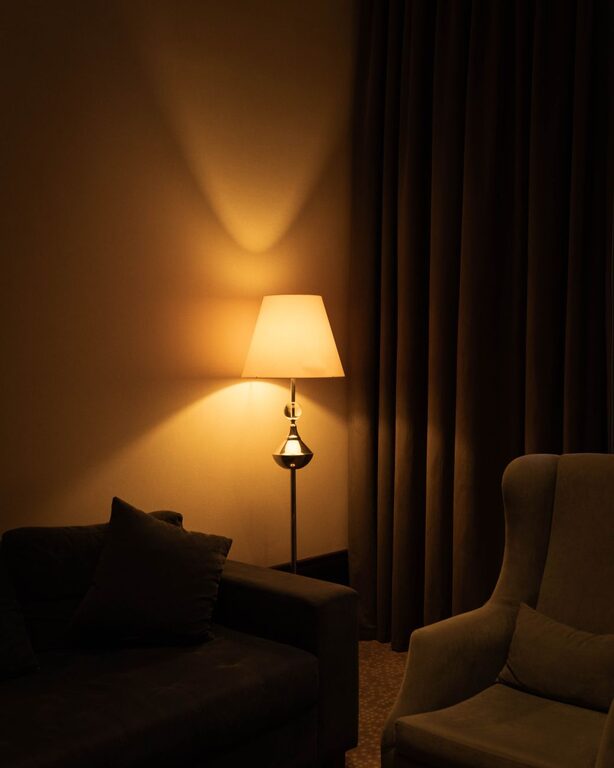
– Task Lighting: Use adjustable desk lamps to reduce eye strain during detailed tasks.
– Natural Light: As mentioned, make the most of natural light, but use blinds or curtains to avoid glare.
– Sound Management: Consider noise-cancelling headphones or white noise machines if your home is noisy.
Establish Boundaries and Routine
A well-organised routine supports both productivity and relaxation.
– Set Working Hours: Define specific start and finish times to prevent overworking.
– Breaks: Take regular breaks to rest your eyes and stretch. Use timers or apps to remind you.
– Clear End of Day Ritual: At the end of your workday, tidy up your workspace to signal the transition to personal time.
Enhance Technology and Connectivity
Reliable technology is essential to seamless work.
– Good Internet: Ensure your internet connection is strong and stable.
– Functional Equipment: Invest in quality keyboards, mice, and monitors that meet your needs.
– Backup Plans: Keep a charging station and backup devices to avoid interruptions.
Incorporate Relaxation Techniques
Adding relaxing elements to your workspace helps manage stress.
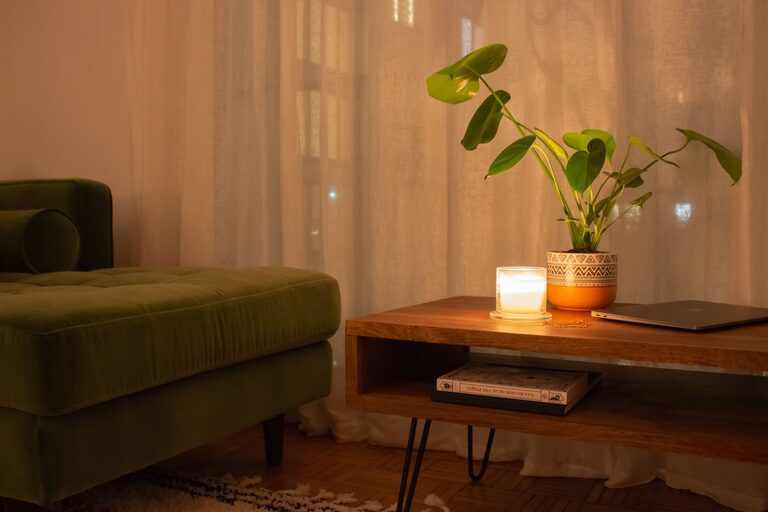
– Aromatherapy: Essential oils or candles can create a calming atmosphere, but be mindful of any sensitivities.
– Breathing Space: Create a small zone for quick relaxation exercises, meditation, or stretching.
– Music: Soft, instrumental music can improve focus and reduce anxiety.
Regularly Review and Adapt Your Workspace
Your needs may change, so it’s good to evaluate your setup periodically.
– Assess Comfort and Efficiency: Reflect on what works and what doesn’t.
– Update Decor and Layout: Small changes can refresh your environment and boost motivation.
– Seek Feedback: If you share space, discuss with others to find solutions that suit everyone.
—
Creating a relaxing and productive home workspace is about balance, personalisation, and organisation. By choosing the right location, investing in comfortable furniture, keeping clutter to a minimum, and managing light and noise, you set the foundation for success. Combine this with clear boundaries, thoughtful technology choices, and calming touches, and you’ll have a workspace that supports your work and well-being daily. Remember, the best workspace is one that feels right for you.