

Tips for Creating a Productive Home Office Space
Creating a productive home office space is more important than ever, as many people continue to work remotely either full-time or part-time. A well-organised and comfortable workspace can improve focus, reduce stress, and help maintain a healthy work-life balance. Whether you have a dedicated room or a corner of your living space, these tips will guide you in designing a home office that supports productivity and well-being.
Choose the Right Location
Finding the ideal spot for your home office is the first step. Ideally, select a space that is quiet, well-lit, and separate from high-traffic areas. This could be a spare room, a nook in your living room, or even a part of your bedroom if space is limited.
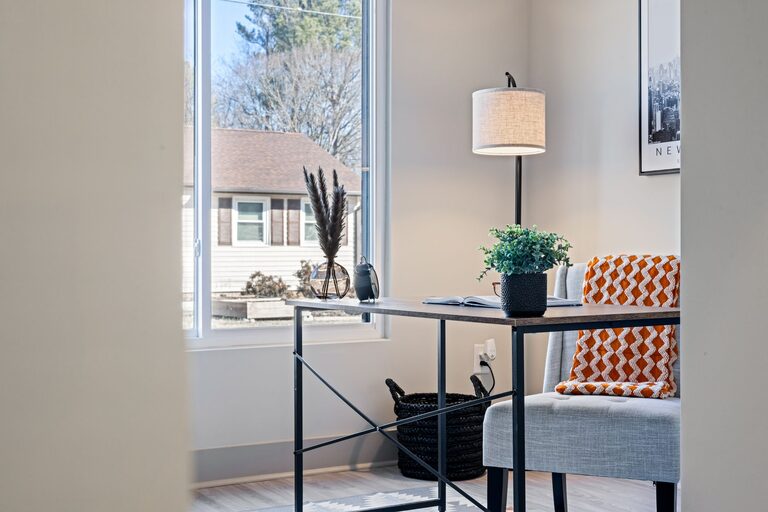
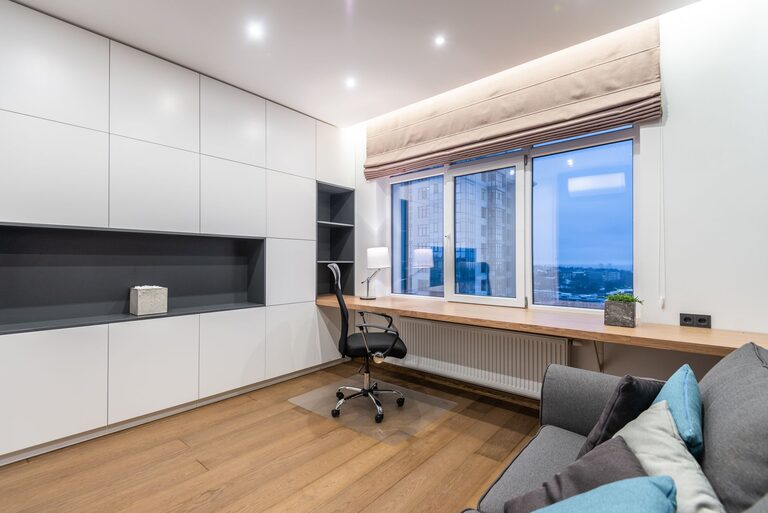
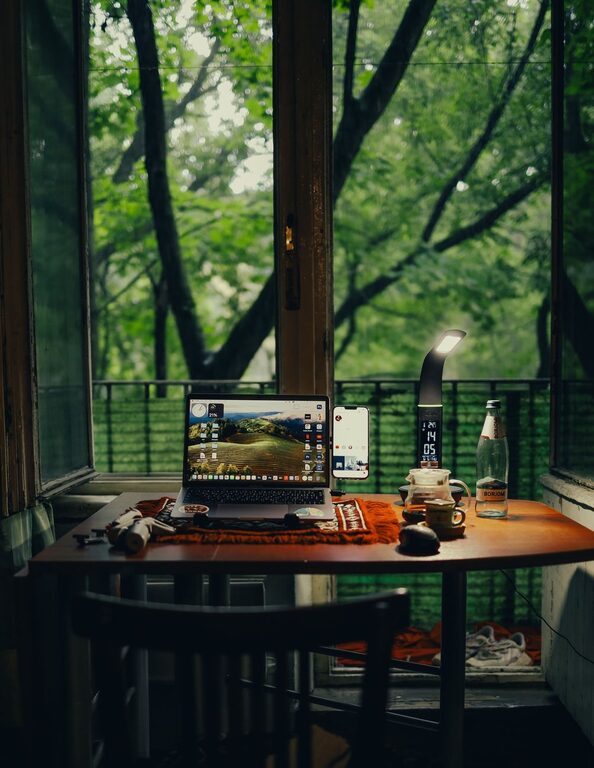
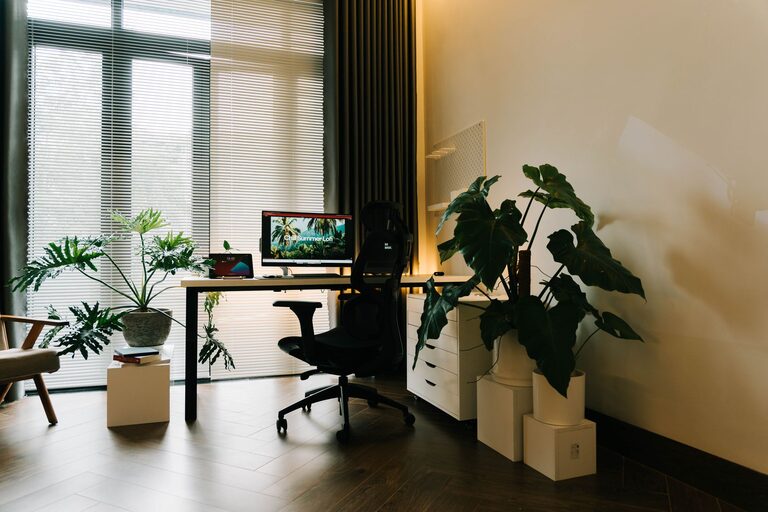
– Natural Light: Position your desk near a window if possible. Natural light helps improve mood and reduces eye strain.
– Minimise Distractions: Avoid areas close to noisy appliances or main household thoroughfares.
– Comfortable Environment: Consider temperature and ventilation to keep your space comfortable throughout the day.
Invest in Ergonomic Furniture
Comfort is key when working long hours at home. Ergonomic furniture supports your body posture and prevents aches and pains.
– Desk: Choose a desk that suits your work style and space. A height-adjustable desk is ideal but not essential.
– Chair: Invest in an ergonomic chair with good lumbar support. Adjust the height so your feet rest flat on the floor and your arms are at desk height.
– Monitor Placement: Position your screen at eye level to avoid neck strain.
Keep Your Space Organised
An organised workspace reduces stress and helps maintain focus.
– Storage Solutions: Use shelves, drawers, and organisers to keep documents and office supplies tidy.
– Cable Management: Use clips or cable ties to prevent cords from tangling.
– Daily Routine: Spend a few minutes at the end of each day tidying up to start fresh tomorrow.
Personalise Your Workspace
Adding personal touches can make your office enjoyable and inspiring.
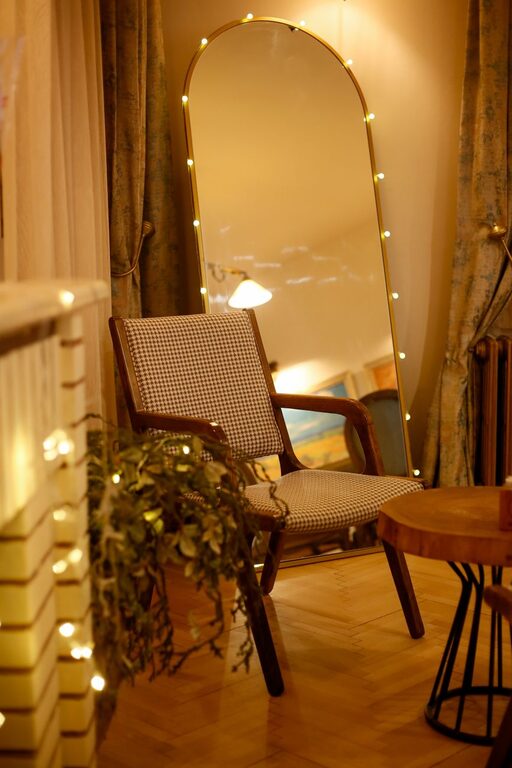
– Decor: Choose artwork, plants, or items that motivate you.
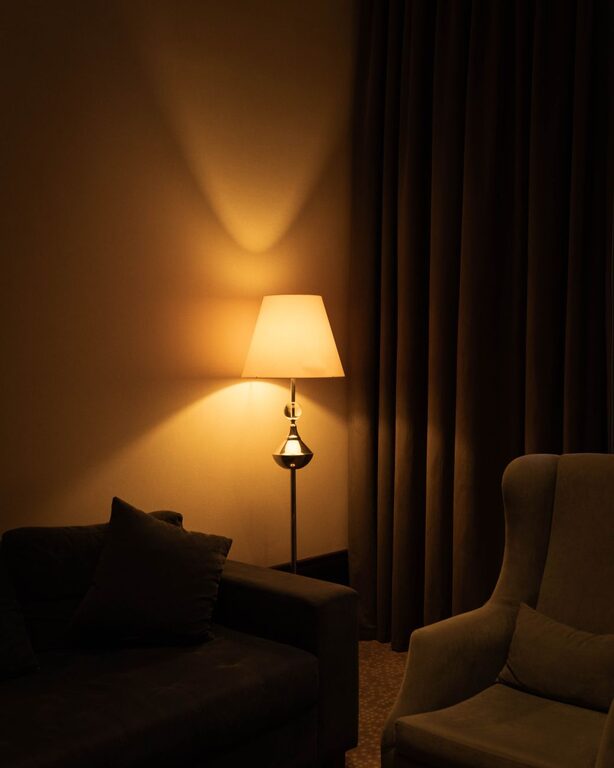
– Lighting: Add a desk lamp with adjustable brightness for tasks requiring focused lighting.
– Colour Scheme: Use colours that promote calm or creativity, depending on your preference.
Minimise Digital Distractions
Technology is essential for remote work but can also be a source of distraction.
– Notifications: Turn off non-essential alerts while working.
– Dedicated Work Devices: If possible, use separate devices for work and leisure.
– Breaks: Schedule regular breaks to check personal messages, helping maintain balance.
Set Clear Boundaries
Especially when working from home, boundaries help separate work time from personal life.
– Defined Hours: Set regular working hours and stick to them.
– Physical Boundaries: Close the office door or create a visual barrier to signal “work time.”
– Communication: Inform family or housemates about your schedule to reduce interruptions.
Incorporate Healthy Habits
Your home office should support not only productivity but also physical and mental health.
– Move Regularly: Take short breaks to stretch or walk around.
– Hydration: Keep a water bottle at your desk.
– Air Quality: Open windows or use air purifiers to maintain fresh air.
Utilise Technology Wisely
Use software and tools that enhance your productivity.
– Task Management: Apps like Trello or Asana help organise your work.
– Collaboration: Use video calls and chat tools to stay connected with colleagues.
– Time Management: Techniques like the Pomodoro method can improve focus.
Final Thoughts
Creating a productive home office space takes some effort but is well worth it. By choosing the right location, investing in comfortable furniture, and organising your environment, you set yourself up for success. Personalising your space and establishing clear boundaries helps maintain motivation and work-life balance. With these tips, your home office can become a place where you enjoy working and perform at your best.