
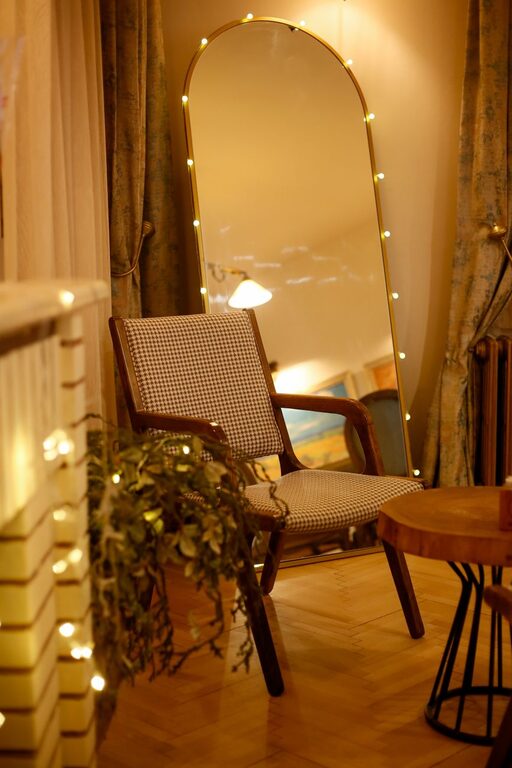

Tips for Creating a Relaxing Home Workspace to Boost Productivity
Creating a relaxing home workspace is essential for anyone looking to maintain productivity while working from home. A well-designed area that promotes calm and focus can make a big difference to your workday. Whether you’re setting up a dedicated office or adapting a corner of your living space, these tips will help you create an environment that supports your best work.
Why a Relaxing Workspace Matters
Working from home offers flexibility and comfort, but without the right setup, distractions and stress can easily take over. A workspace that feels relaxing encourages concentration and reduces anxiety, making it easier to stay motivated throughout the day. When your environment feels inviting and organised, work doesn’t feel like a chore.
—
Choose the Right Location
Consider natural light
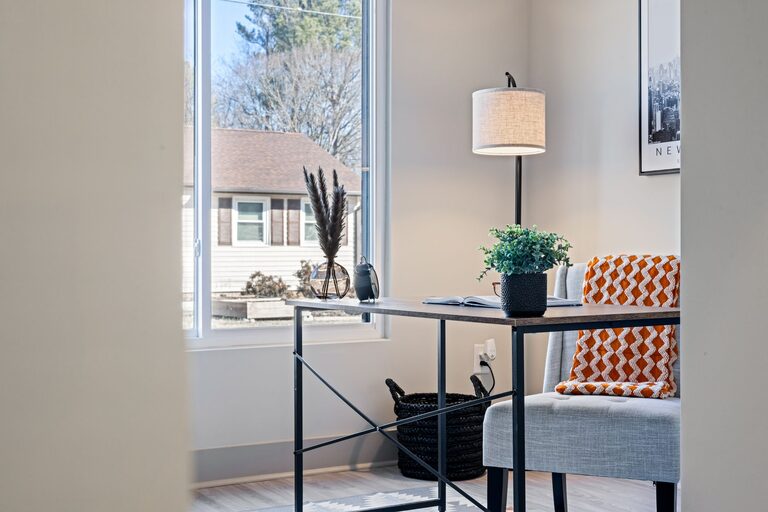
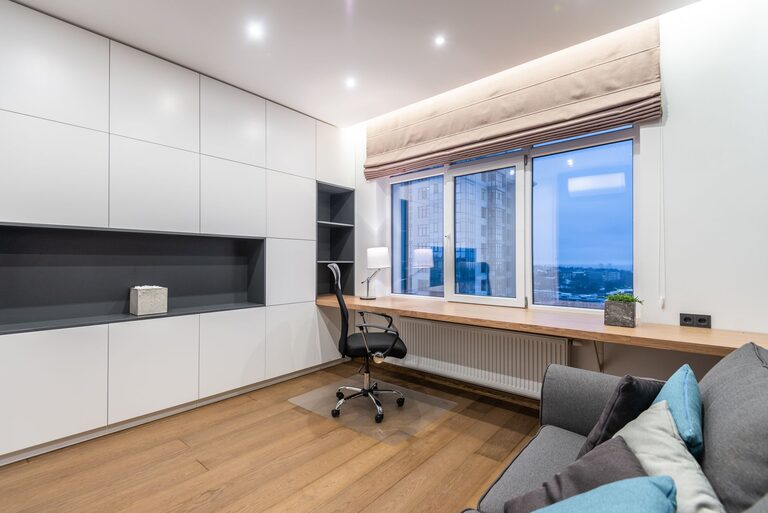
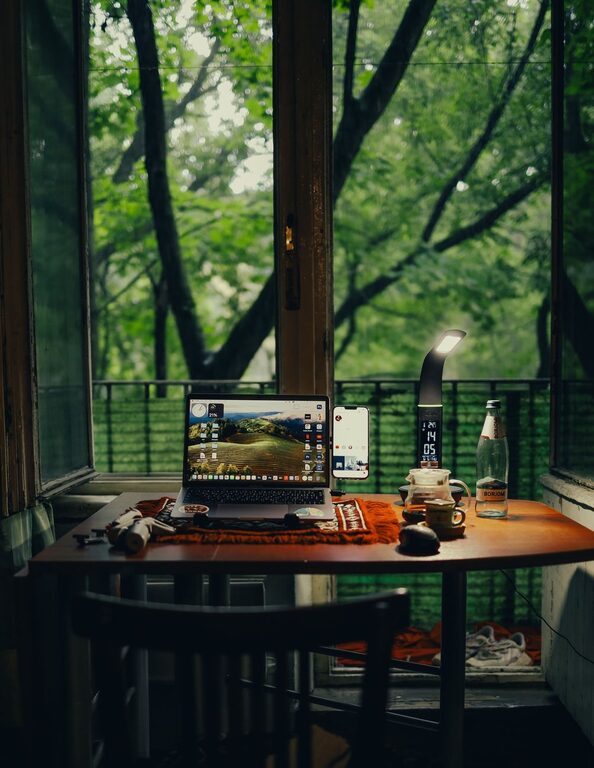
If possible, place your workspace near a window to benefit from natural light. Daylight improves mood and alertness, and also helps regulate your sleep patterns. Avoid glare on your screen by positioning your desk at an angle to the window rather than directly in front or behind it.
Find a quiet spot
Select a location in your home away from loud noises such as television, kitchen appliances, or busy traffic. A quieter space minimises interruptions and helps maintain your train of thought.
—
Declutter and Organise
Keep surfaces clear
A cluttered desk can create a cluttered mind. Only keep essential items on your desk—such as your computer, notebook, and a pen—and store everything else neatly away. This simplicity aids focus.
Use storage solutions
Invest in shelves, drawers, or organisers to store files, stationery, and equipment out of sight but within reach. Label boxes or trays so you can quickly find what you need without fuss.
—
Choose Comfortable and Supportive Furniture
Invest in a good chair
An ergonomic chair that supports your back encourages better posture and reduces strain during long working hours. Look for adjustable features and cushioning for maximum comfort.
Choose an appropriate desk
Your desk should be big enough to accommodate your workspace essentials without feeling cramped. Consider a desk height that allows your arms to rest comfortably while typing.
—
Create a Soothing Atmosphere
Select calming colours
Soft, neutral colours such as pale blues, greens, or greys tend to create a relaxing vibe. Avoid overly bright or dark shades that might either distract or feel oppressive.
Add plants
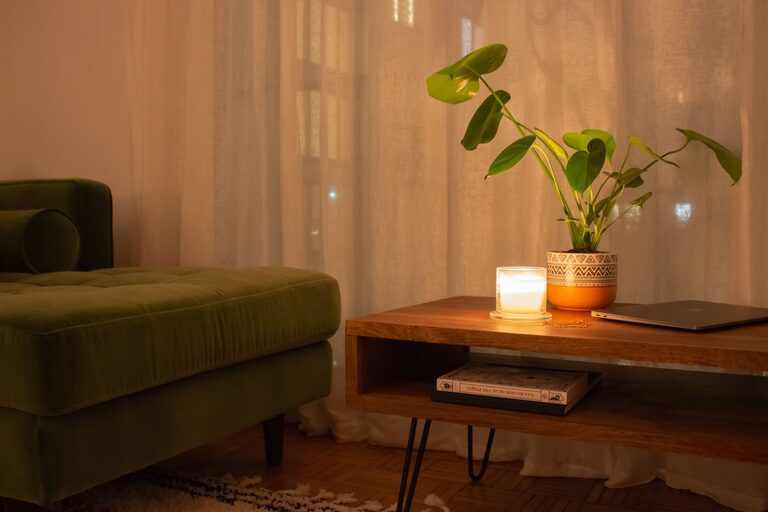
Indoor plants improve air quality and add a touch of nature, which has been shown to reduce stress. Small potted plants or succulents are low maintenance and perfect for desks.
Control temperature and ventilation
Ensure your workspace is well-ventilated and maintains a comfortable temperature to avoid discomfort or fatigue.
—
Use Lighting to Your Advantage
Combine natural and artificial lighting
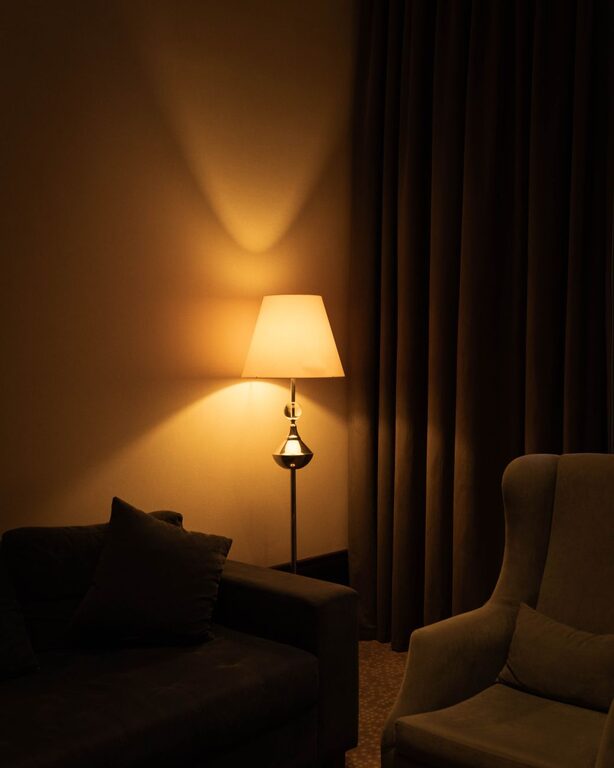
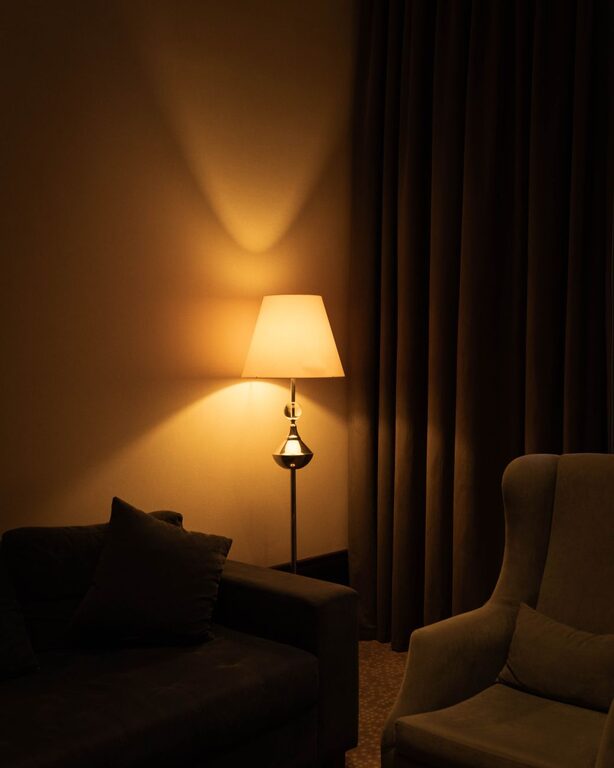
In addition to natural light, use adjustable desk lamps with warm light to reduce eye strain, especially during early mornings or evenings.
Avoid harsh lighting
Too-bright or flickering lights can cause headaches and reduce focus. Opt for LED bulbs with a soft glow to create a pleasant environment.
—
Establish Boundaries and Routines
Separate work and relaxation zones
If possible, keep your workspace separate from areas associated with relaxation or leisure. Physically and mentally distinguishing these spaces helps you switch between work mode and downtime.
Set regular breaks
Incorporate short breaks into your work schedule to stretch, hydrate, or simply rest your eyes. This prevents burnout and keeps energy levels steady.
—
Personalise Your Space Mindfully
Add motivating items
Incorporate a few personal touches like photos, inspirational quotes or artwork that lift your mood without causing distraction.
Keep technology organized
Use cable organisers to prevent a tangled mess of cords, making the workspace look tidier and easier to clean.
—
Minimise Noise Distractions
Use noise-cancelling headphones
If ambient noise is unavoidable, headphones can help you focus by blocking distractions or playing calming background music.
Consider soundproofing
Simple measures like rugs, curtains and cushions can absorb sound, reducing echoes in your space.
—
Final Thoughts
A relaxing home workspace supports both your wellbeing and productivity. By paying attention to lighting, organisation, comfort, and atmosphere, you can create a space that inspires focused, stress-free work. Remember that small adjustments can make a big difference, so start with one or two changes and build from there.
With a little effort, your home workspace can become your favourite place for productivity and peace.